
Optimal Timing for Crop Gradings
Gradings are scheduled based on various factors including seasonal conditions, crop maturity, and regional practices. Timing can impact the quality and success of the grading process, making it essential to choose optimal periods.
Spring and early summer often provide ideal conditions for grading activities due to favorable weather and crop readiness.
Gradings should be performed when crops reach peak maturity to ensure accurate assessment and quality classification.
Local climate patterns influence the best timing for gradings, with regional adjustments necessary for optimal results.
Aligning grading schedules with harvest periods helps maintain freshness and reduces spoilage risks.
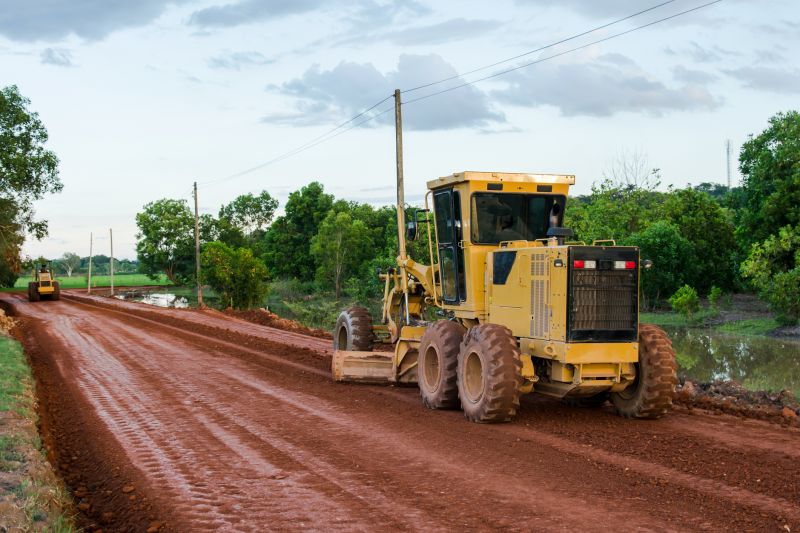
Image depicting the grading process during peak crop maturity.

Image showcasing tools and machinery involved in the grading process.

Image of crops at optimal maturity for grading.
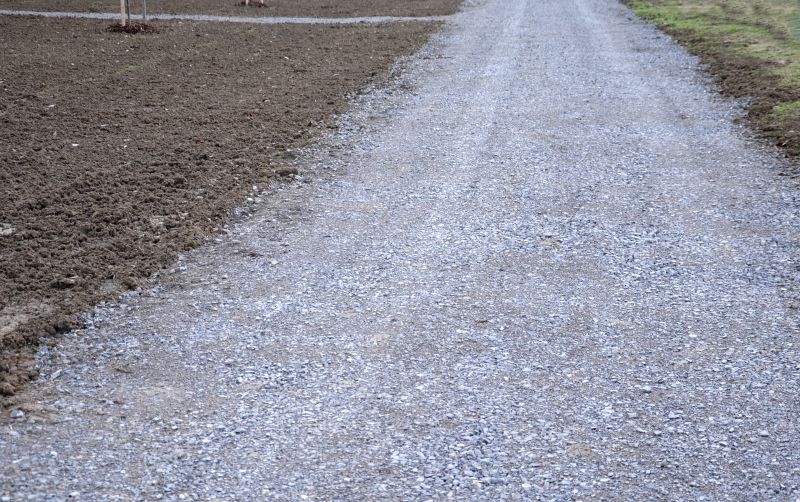
Ways to make Gradings work in tight or awkward layouts.

Popular materials for Gradings and why they hold up over time.

Simple add-ons that improve Gradings without blowing the budget.
Gradings are a vital step in the agricultural and produce industry, ensuring quality standards are met before distribution. Proper timing enhances the accuracy of grading assessments and supports better market positioning. Statistical data indicates that crops graded at the right time experience fewer rejections and higher consumer satisfaction.
| Aspect | Details |
|---|---|
| Seasonal Timing | Spring and early summer are preferred for many crops. |
| Crop Maturity | Gradings should occur when crops reach optimal ripeness. |
| Weather Conditions | Dry, stable weather minimizes grading disruptions. |
| Regional Climate | Adjust timing based on local climate patterns. |
| Harvest Schedule | Coordinate with harvest to ensure freshness. |
| Market Trends | Align grading with market demand cycles. |
| Storage Readiness | Ensure proper storage conditions post-grading. |

Image of workers performing grading activities.

Close-up of quality assessment during grading.

Image showing sorted crops ready for shipment.

Storage facilities designed for graded produce.
Timing for gradings is crucial for maintaining produce quality and optimizing market value. By considering seasonal patterns, crop maturity, and regional climate, producers can select the most advantageous periods for grading activities. Properly timed gradings contribute to efficient supply chains and satisfied consumers.
Interested in scheduling a grading or learning more about optimal timing? Filling out the contact form can provide tailored guidance to meet specific crop and regional needs.